Roots & Belonging
Living Memories, Sharing Stories
Clay Palayok · Indigenous Attire · Painting · Photography · Sculpture · Textile Art
What connects us to a place, a community, or a culture?
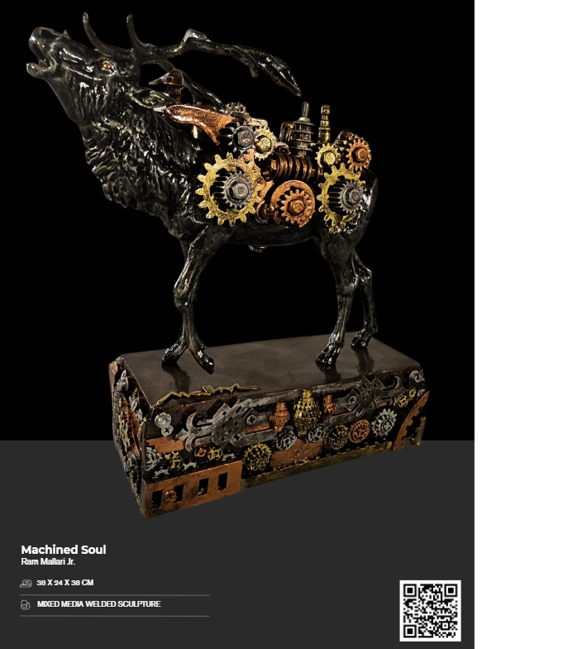
Roots & Belonging brings together photography, painting, sculpture, textile art, Indigenous attire, and installation. Through different materials and perspectives, the exhibition explores how memories are carried forward and how belonging takes shape.
The photographs show moments of everyday life, including community gatherings, work, travel, land, and water. The paintings and sculptures explore people, nature, identity, memory, and imagination. Textile works and Indigenous attire hold stories through color, pattern, fabric, and craft. The clay palayok invites us to remember and reflect.
There is no single picture of culture here. The works bring together different voices and ways of seeing. Some connect with the past, while others respond to life today. Together, they invite us to consider what we inherit, what we value, and what we carry into the future.
Discover the connections held in images, objects, materials, and everyday moments.
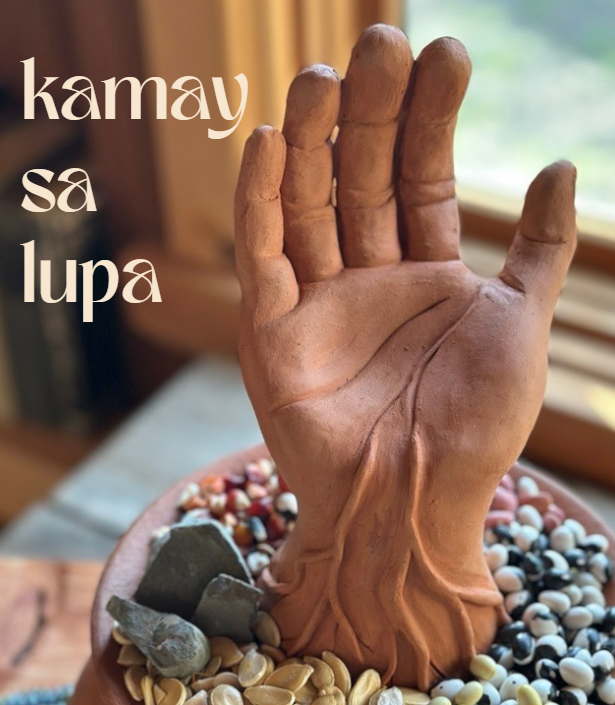
Clay Palayok / Alyssa „Mayari“ Gruezo
.
Indigenous Attire / Ana Maria Cruz Langer
IGOROTS OF THE CORDILLERAS
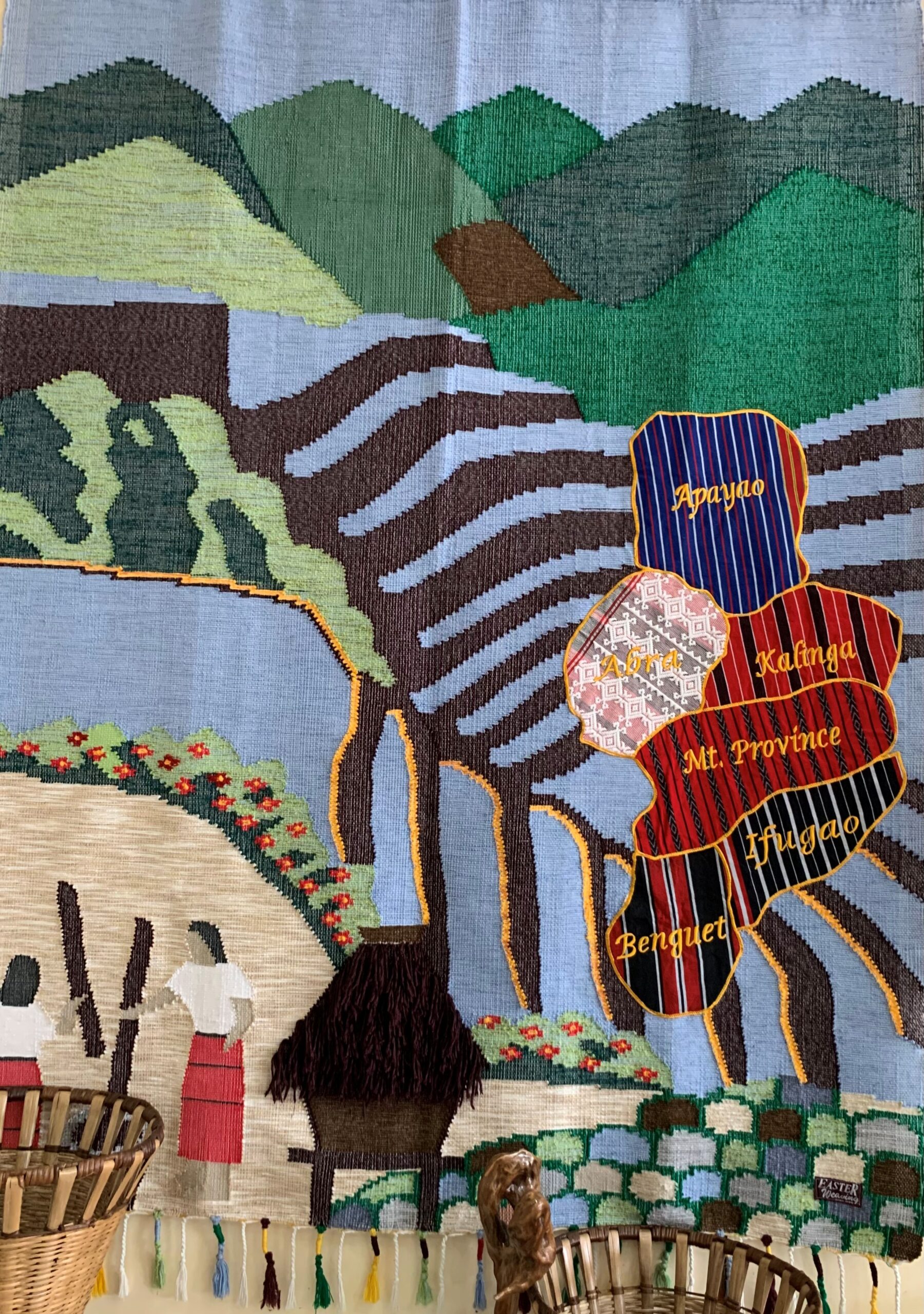
IBALOI – Benguet Province
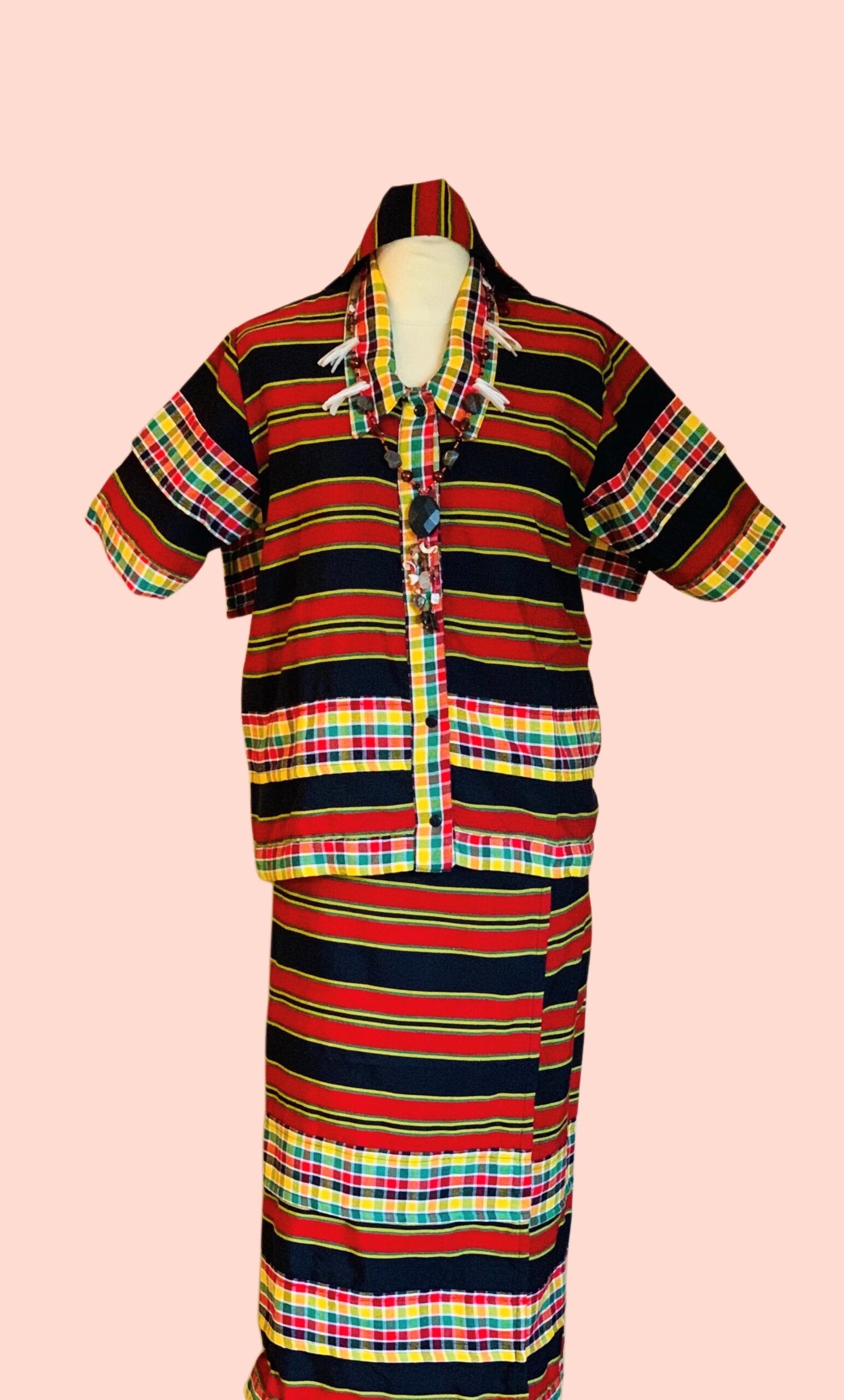
The traditional Ibaloi women’s attire features a handwoven tapis, a rectangular wrap around skirt secured at the waist, particularly suited to the cool mountainous environment of Benguet. The upper portion of the ensemble consists of a blouse or woven cloth, sometimes complemented by a shoulder covering or additional textile. Traditional accessories may include beaded necklaces, bracelets, earrings, belts, and other ornaments, which complete the ensemble, adding color and visual emphasis. Acquired from Easter Weaving House, Baguio City.
GA’DANG (female) – Paracelis, Mountain Province
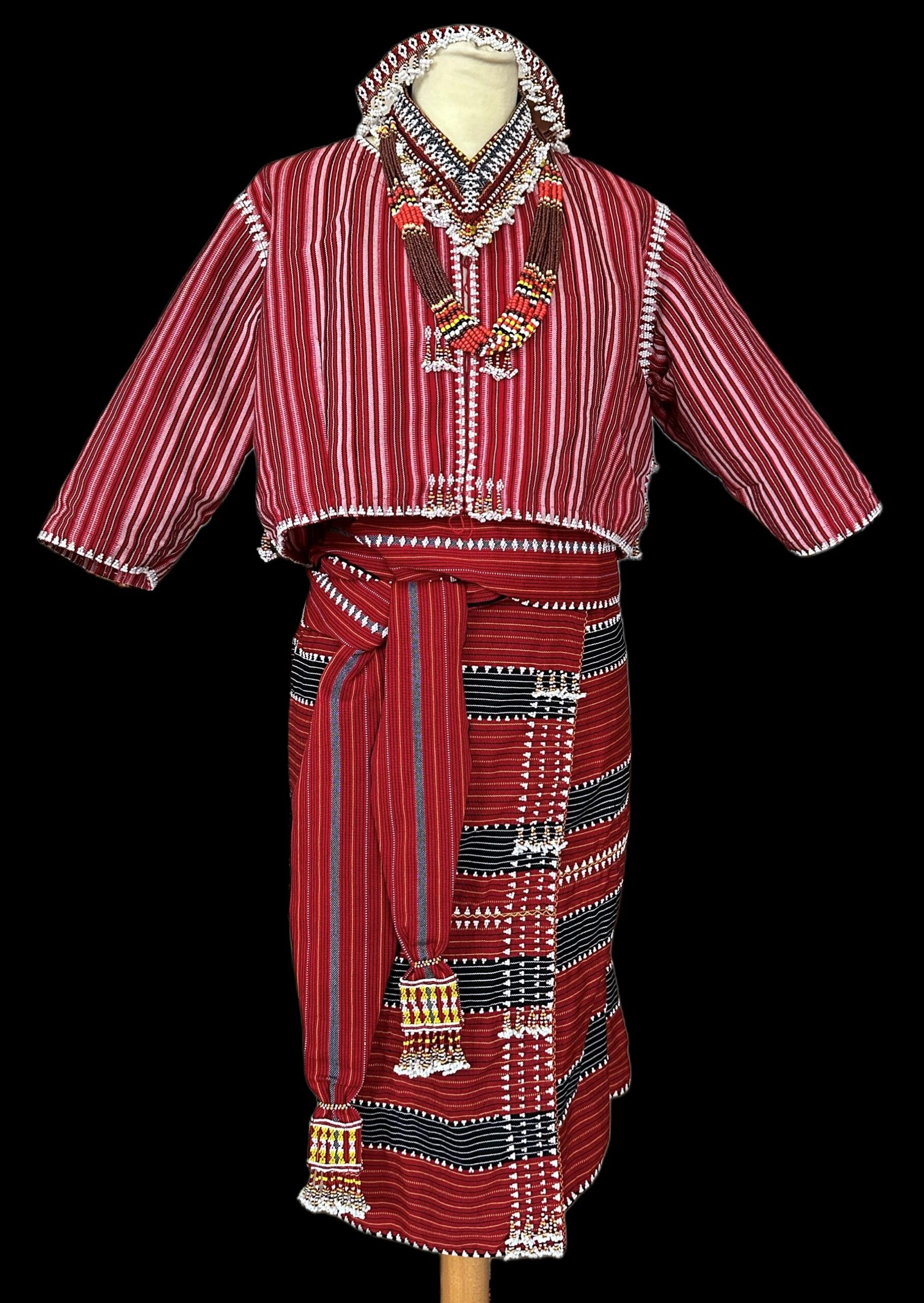
The traditional Ga’dang female ensemble features the aken or tapis, a bright red and dark blue handwoven fabric, secured by a belt called bakwat, and a long sleeved blouse called barawasi – decorated with colorful beads. Women wear a status-indicating native headdress called binakaw, layered with headbands, alongside lavish seed-bead necklaces, bracelets and tasseled combs. This particular Ga’dang garment originates from Paracelis, Mountain Province and was carefully crafted by culture bearer Margareth Gumaad Balansi.
GA’DANG (male) – Paracelis, Mountain Province
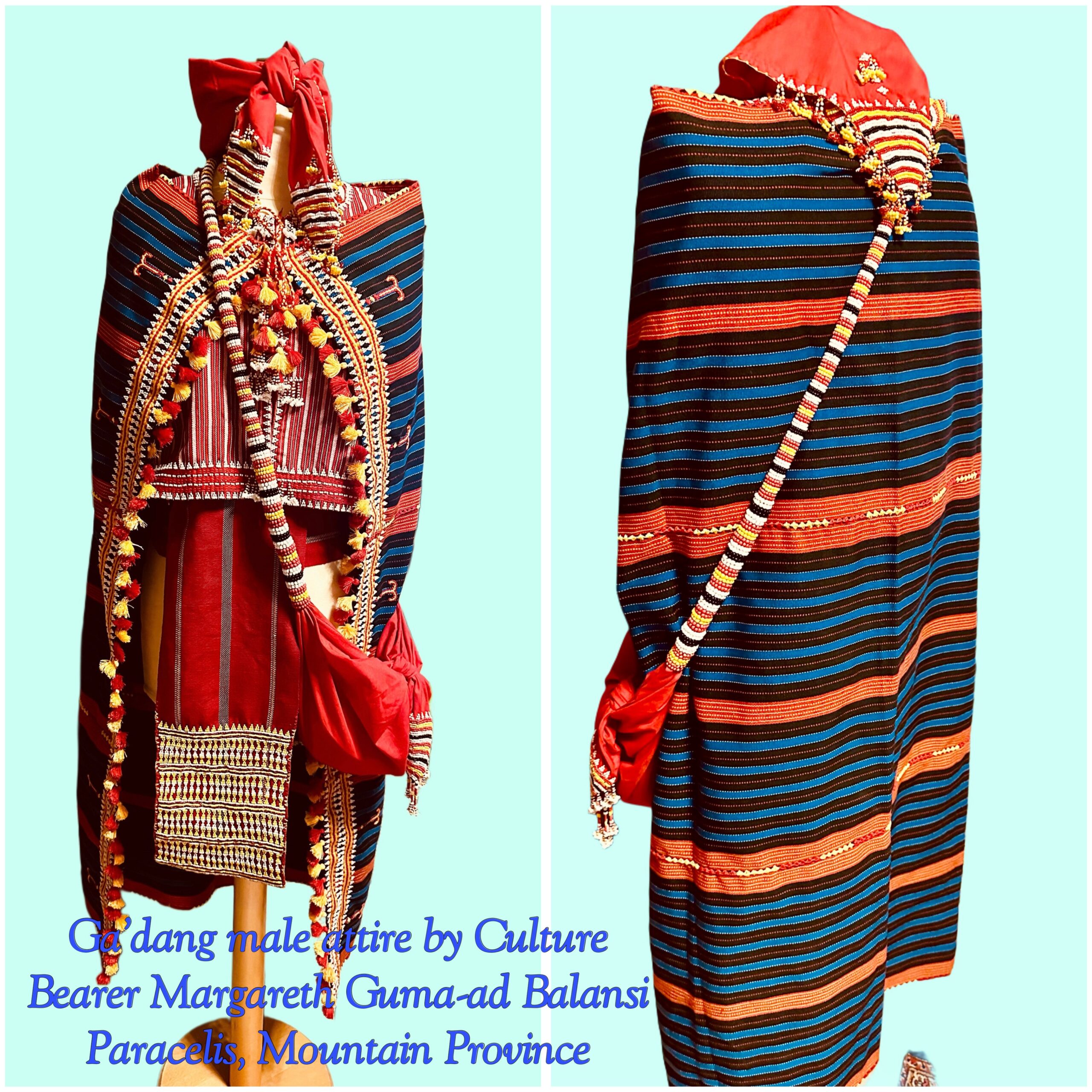
The traditional Ga’dang male attire features a woven baag (loincloth) accompanied by a decorated vest or jacket. Rich geometric patterns in red, black, white and yellow are complemented by elaborate beadwork. Multistrand necklaces, chest ornaments, bracelets, arm bands, belts and distinctive head coverings contribute to the striking appearance of ceremonial dress and express Ga’dang identity and artistry. This particular Ga’dang garment originates from Paracelis, Mountain Province and carefully crafted by culture bearer Margareth Gumaad Balansi.
LEGENDS OF SOUTHERN PHILIPPINES
TBOLI (male) – South Cotabato
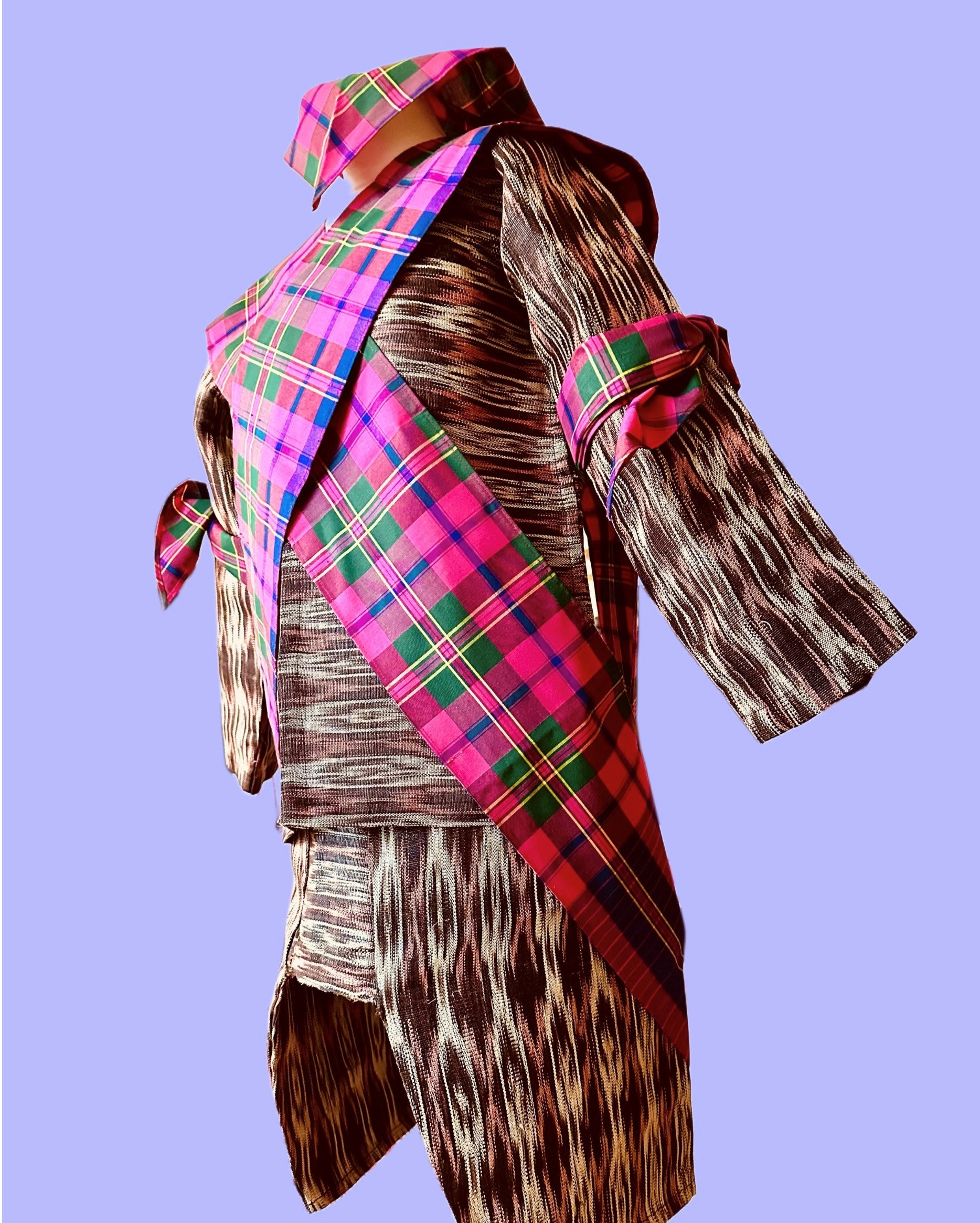
The traditional Tboli male attire consists of the Kagal (shirt) and Sawal (trousers) made of handwoven T’nalak, a resist-dyed abaca cloth produced through the ikat technique, with geometric design and color
TBOLI (female) – South Cotabato
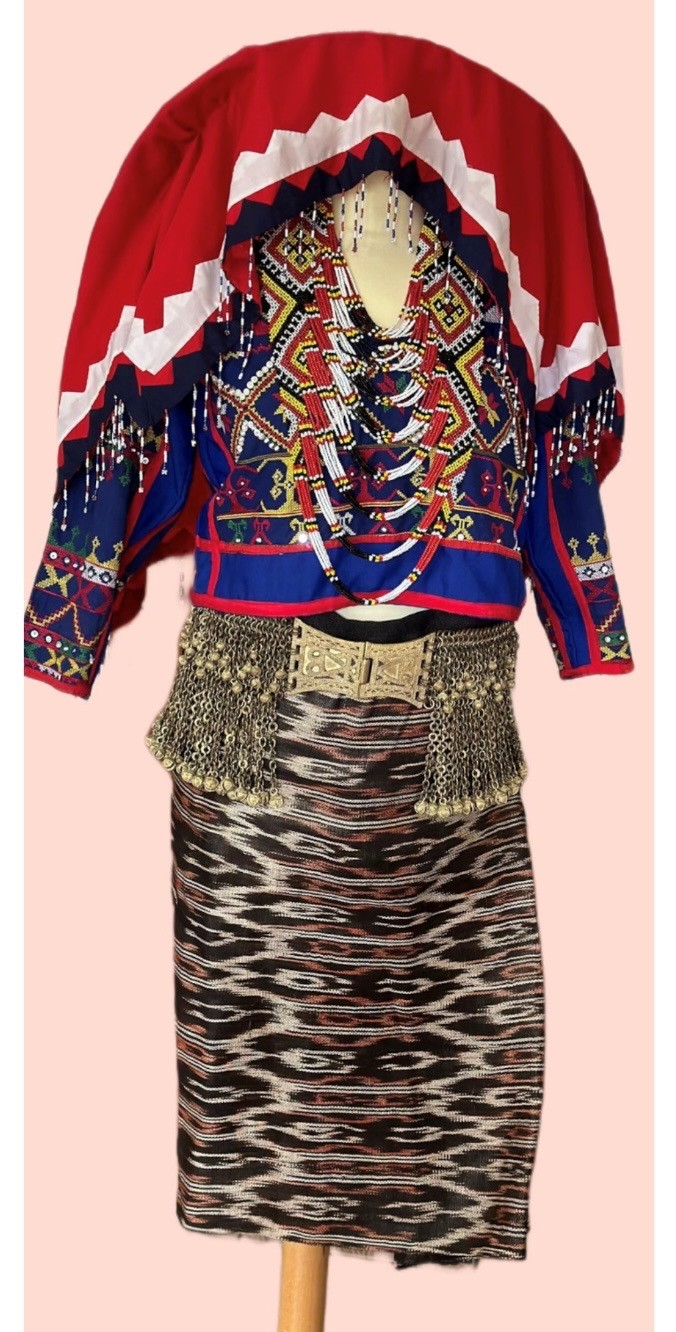
The Tbolis are an indigenous group of lumads (non-Christian, non-Muslim), living in the highlands of South Cotabato in Mindanao. Their traditional attire is deeply revered for its artistry, vibrant colors, and spiritual significance. Central to their entire wardrobe is T’nalak, a sacred cloth hand-woven from abaca fibers using a traditional tie-dye technique called ikat. The designs are passed down through generations by „dreamweavers,“ who are said to receive the complex geometric patterns in dreams from the abaca spirit, Fu Dalu.
AGUSAN MANOBO – Agusan del Norte
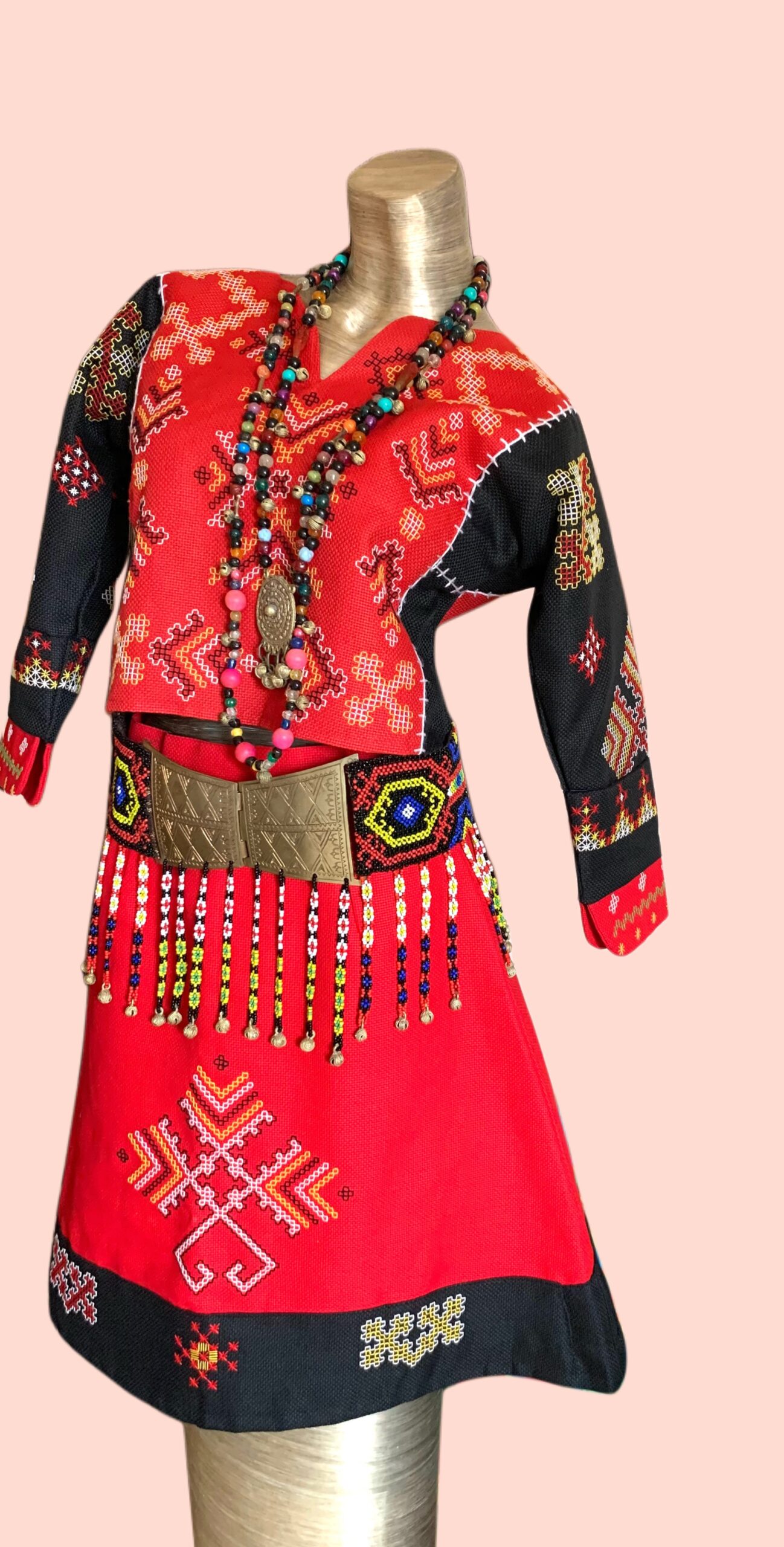
The traditional Agusan Manobo attire is distinguished by textiles of vibrant contrasting colors and elaborate suyam embroidery in its upper garment called umpak and skirt called sada. Geometric and figurative motifs—including diamonds, zigzags, stars, leaves and animal forms—are arranged along seams, sleeves, necklines and broad decorative bands. The richly embroidered garments express the community’s artistic knowledge, cultural traditions and connection to everyday and ceremonial life.
BAGOBO TAGABAWA – Davao del Sur
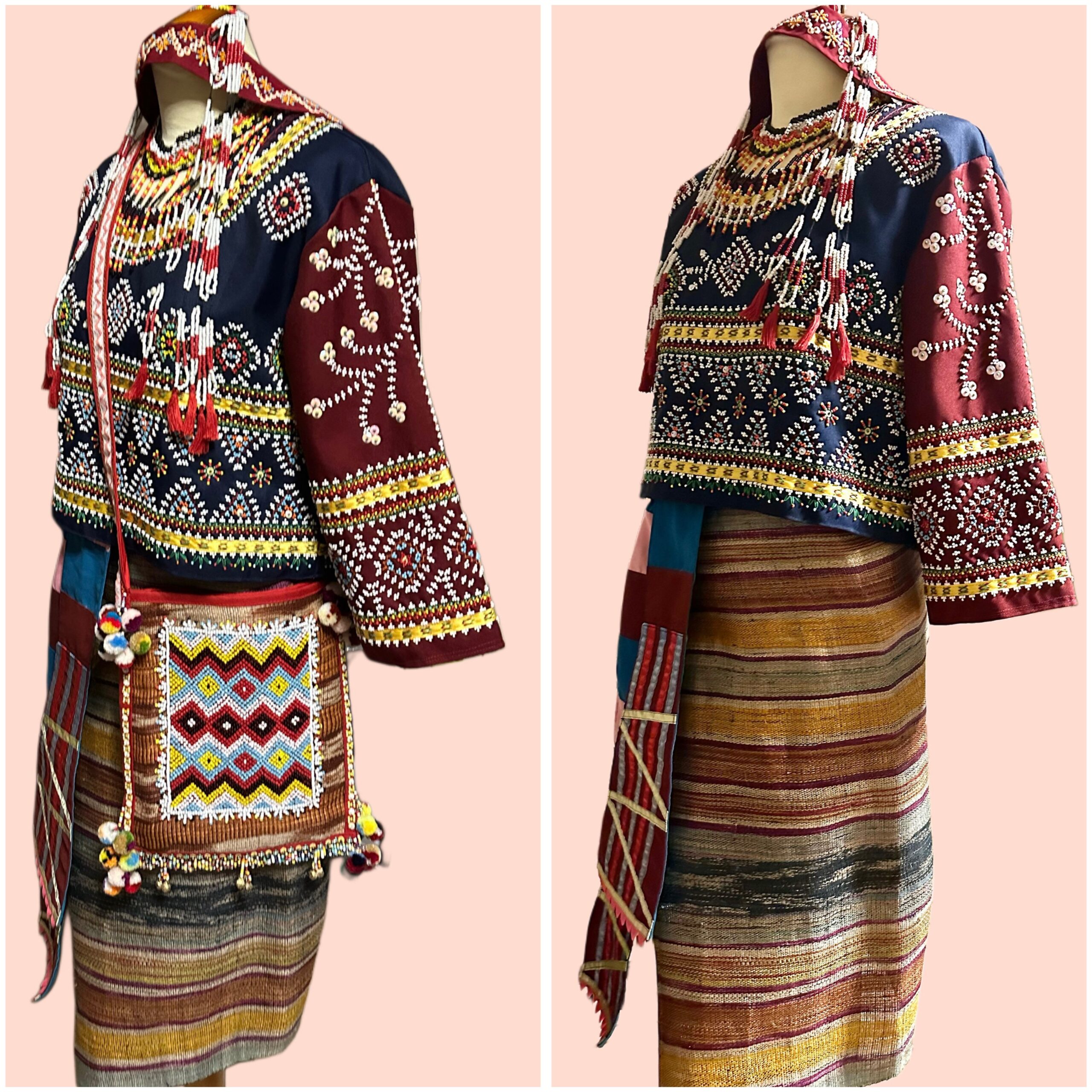
A richly decorated ensemble of the Bagobo Tagabawa, an indigenous group of southern Mindanao, combining handwoven textiles with colorful embroidery, beadwork and geometric and nature-inspired motifs. The elaborate decoration reflects the community’s distinctive weaving and ornamentation traditions and expresses cultural identity, artistry and connection to the natural and spiritual world. Women traditionally wear a fitted blouse kumbung with a wraparound skirt, often called bandana or ampak, depending on the community and garment type. Beautifully crafted by 70-year old culture bearer, Arlyne Salazar of Davao del Sur, Philippines.
MANDAYA – Davao Oriental, Davao del Norte
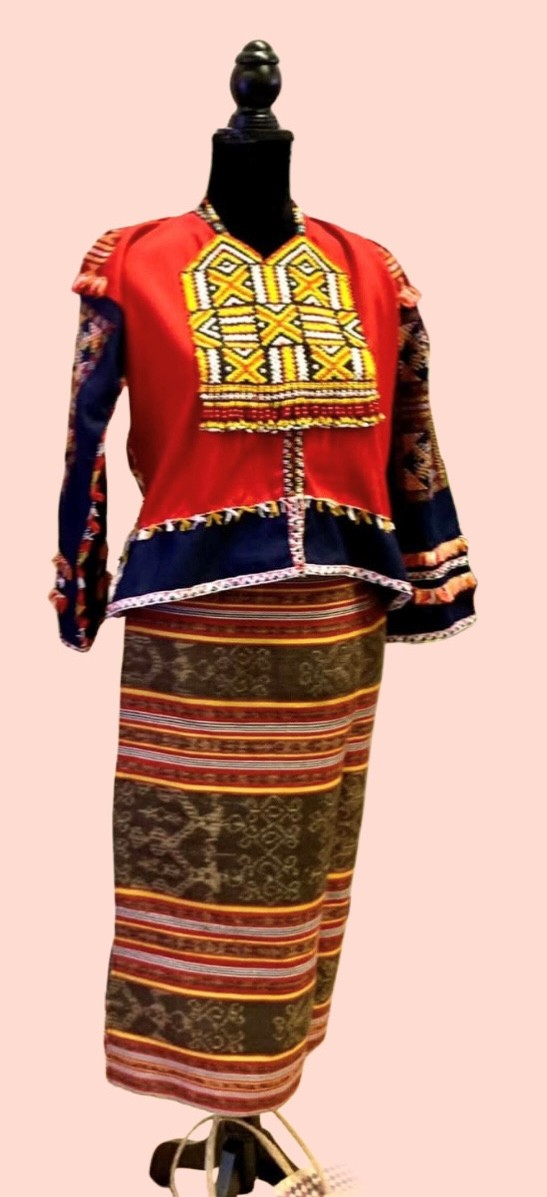
The traditional Mandaya women’s attire from eastern Mindanao features the dagum, an intricately embroidered blouse with bright colored threads in geometric patterns; and the coarsely textured dagmay skirt which is handwoven from abaca fiber and designed with various patterns depicting their folklore and traditions.
THE ELEGANT FILIPINIANA
TRAJE DE MESTIZA
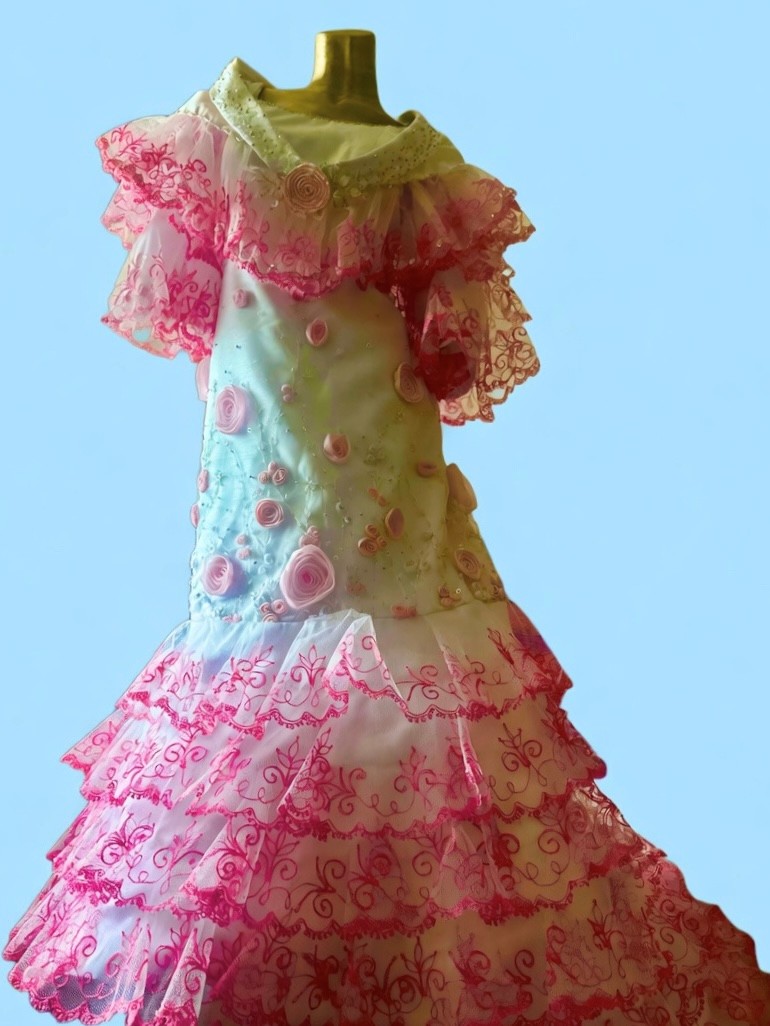
The Traje de Mestiza or more commonly known as the Maria Clara, Jose Rizal’s heroine in his novel „Noli me Tangere“, has played an important role in the heritage of the Philippines. It is a more elegant version of the „Baro’t Saya“ and have four basic parts: a camisa (blouse) with oversized bell-shaped sleeves, a panuelo (kerchief) and a saya (skirt) that flares out at the hem and a tapis (over skirt). Today, the elegant Maria Clara is still donned by women during formal gatherings and festivities. This modern Maria Clara costume was used by Folklorico Filipino for a joyful courtship dance which originated from Atimonan, Quezon called „Putritos“.
TERNO – National Dress for Women in the Philippines
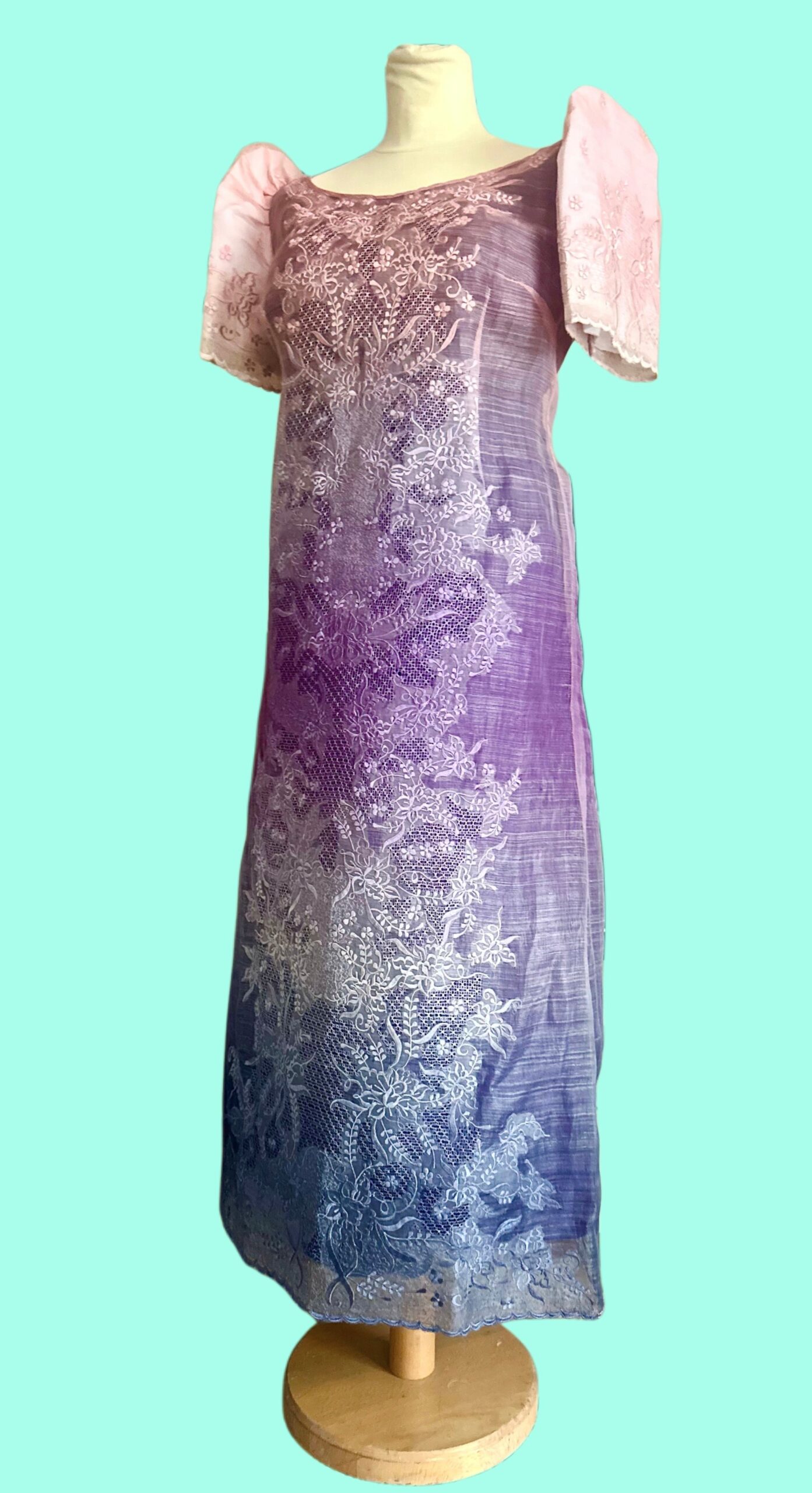
From the „Traje de Mestiza“, the fashion style dramatically evolved through the years into the „Terno“. By the mid-20th century, the 4 components of the „Traje de Mestiza“ were elegantly combined into one piece and was called the
„Terno“. It now comes in various colors and designs, but its main characteristic is the flattened sleeves, also termed as „butterfly sleeves“ that makes it uniquely distinct. This Jusi Barong Terno on display is made of fine pineapple fabric and meticulously embroidered by local artisans from Taal, Batangas.
Harold Khan / Painting
„We are all in the mix„
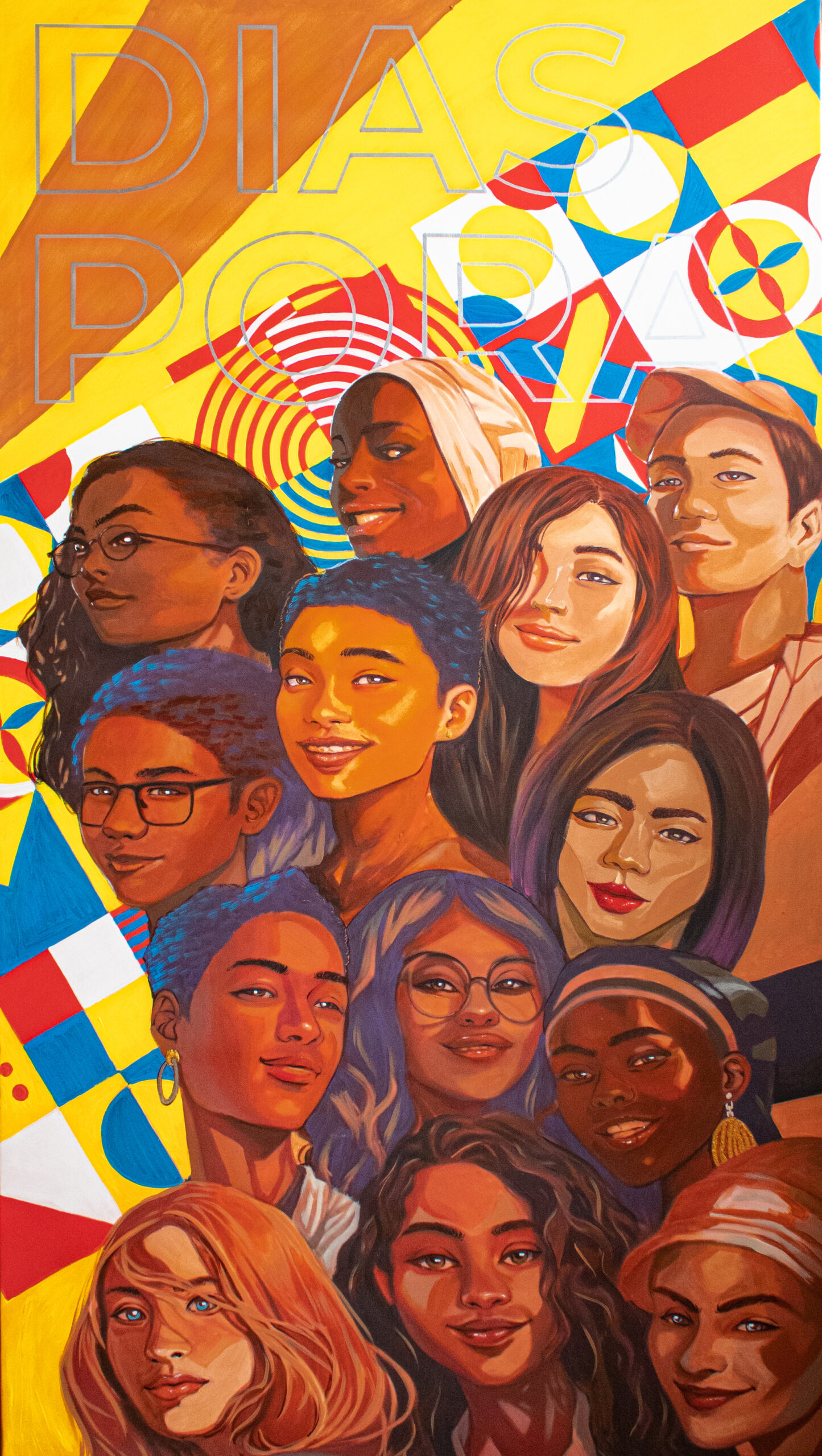
My work reflects the experience of living between cultures, carrying memories of home while building a life elsewhere. As part of the Filipino diaspora, I explore themes of identity, belonging, and the invisible threads that connect people across borders. Through my art, I hope to honor the resilience of those who leave, the traditions they carry with them, and the new stories they create in unfamiliar places. This piece is an invitation to reflect on how distance can reshape, but never erase, our sense of home.
Melissa Peritore / Textile Art
„Something to remember“
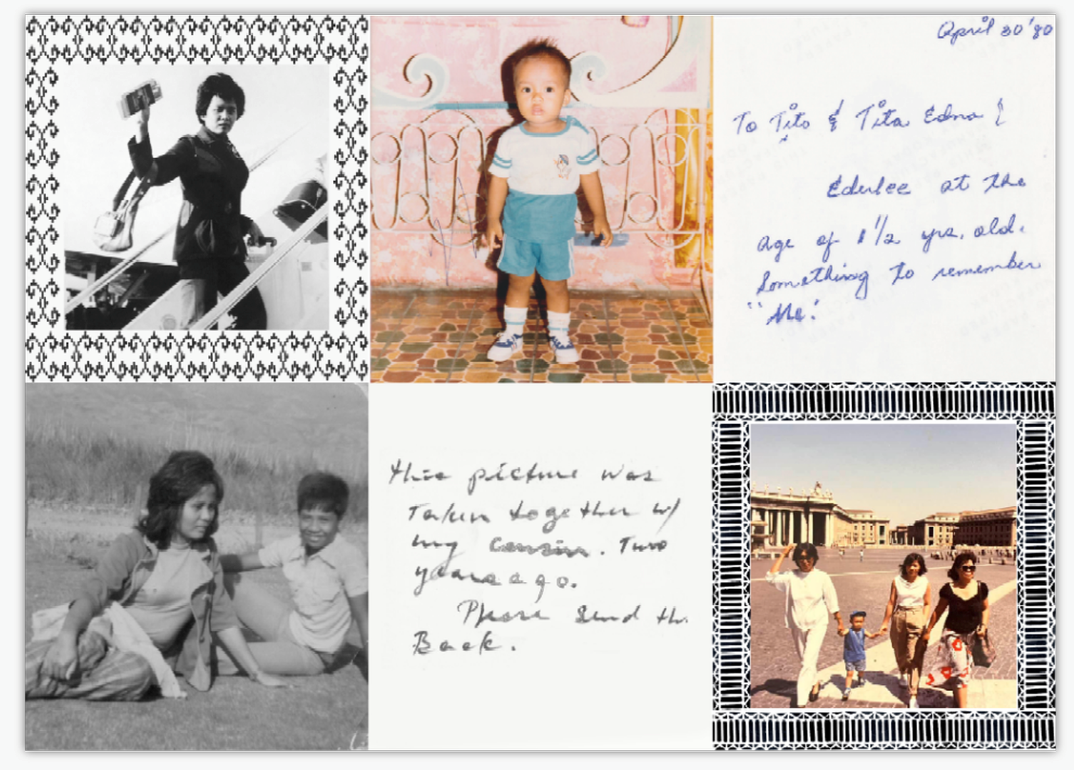
Although these images belong to different households—photographs preserved in my family albums and those of my friends—they are bound by a shared history: the experience of having parents who left the Philippines at a young age to build new lives abroad.
Migration is often marked by sacrifice and separation. Many leave behind not only their homeland, but their children, parents, siblings, childhood homes, and entire communities. In search of economic opportunity, our parents and relatives endured the loneliness of starting over in unfamiliar countries, often facing tough working conditions, cultural displacement, and the emotional burden of being far from those they loved. While migration offered hope, it also demanded resilience, as families learned to navigate life across continents, separated by distance yet bound by enduring affection and responsibility.
The handwriting featured in this work consists of messages written on the backs of the photographs—a vital form of communication at a time when international phone calls were prohibitively expensive and social media did not yet exist. These handwritten notes carried news, affection, longing, and reassurance across oceans. The photographs became precious objects, serving as emotional lifelines that allowed families to remain present in one another’s lives despite years of physical separation.
In some photographs, traditional Filipino patterns were embroidered as a way of preserving cultural heritage that might otherwise fade through migration and assimilation. By stitching these motifs onto family images, I seek to reaffirm the enduring presence of Filipino identity and to remind that, no matter how long we live abroad or how far we travel, our roots, histories, and cultural memory remain woven into who we are.
Christian Namis / Photography
„How I saw the Philippines“
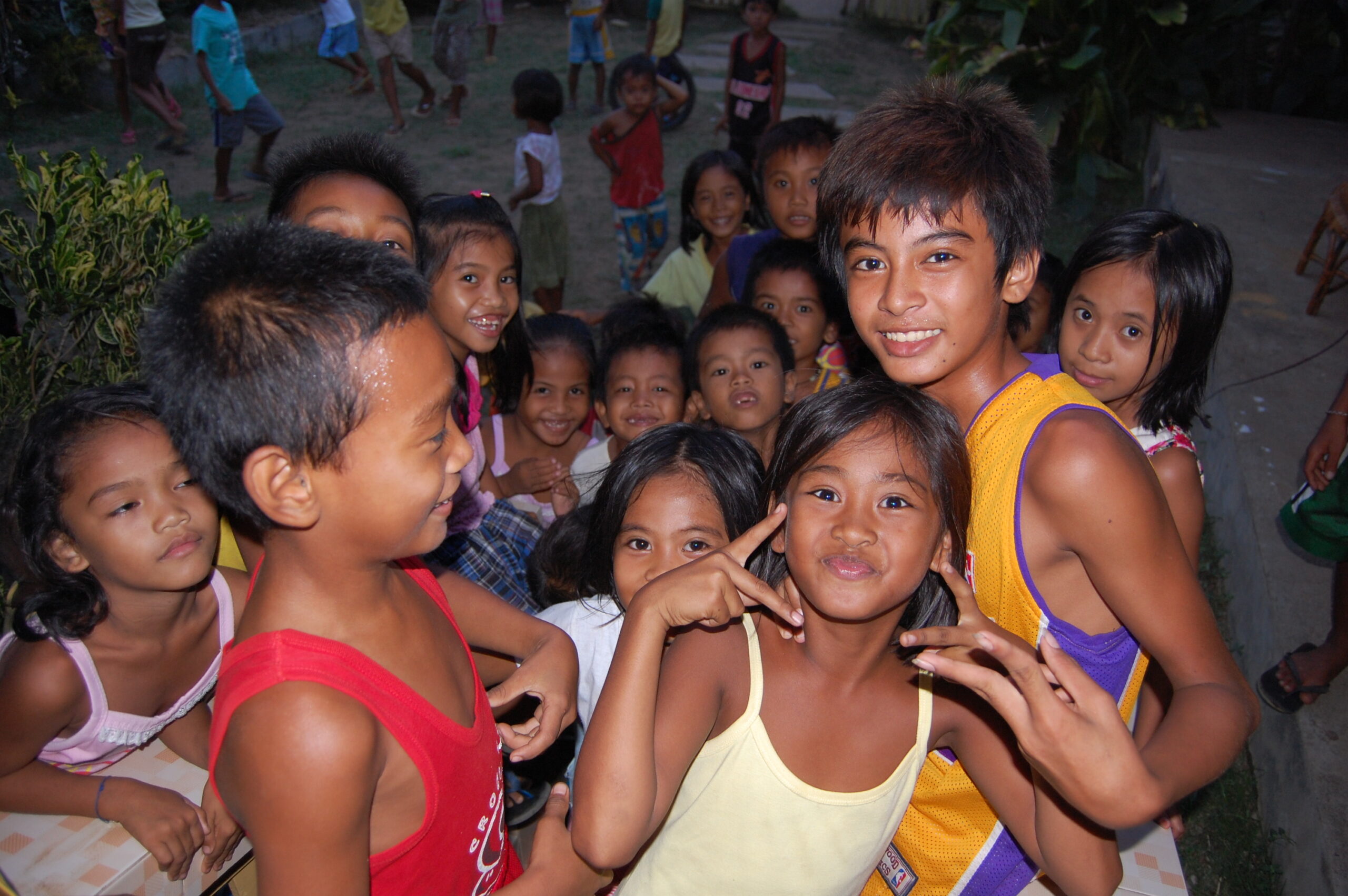
Travelling broadens our perspective, introduces us to different ways of life, and deepens our understanding of the places we visit. Through these photographs, I share moments from my private journeys through the Philippines in 2009 and 2014, capturing what left the strongest impression on me.
During my travels, I intentionally avoided the major cities, choosing instead to experience life beyond the urban centres. By observing everyday life in rural communities, I gained a renewed appreciation for what matters most: family, friendship, community, and the simple moments that bring people together.
Selected Works
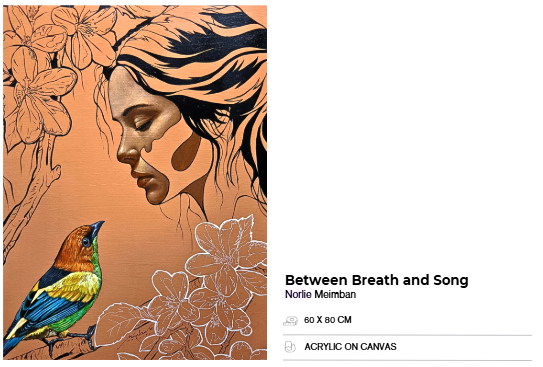
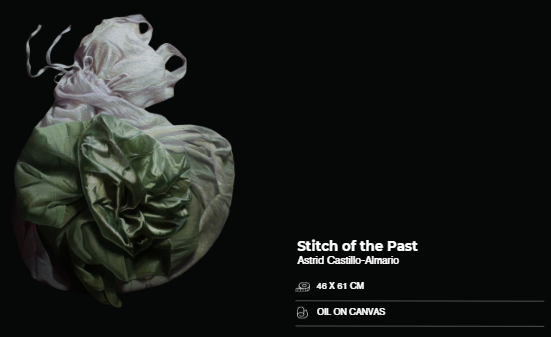
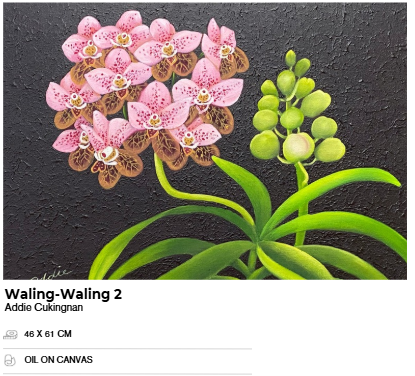
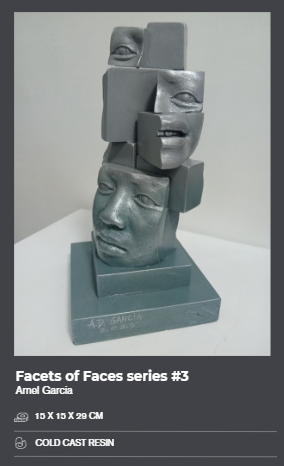
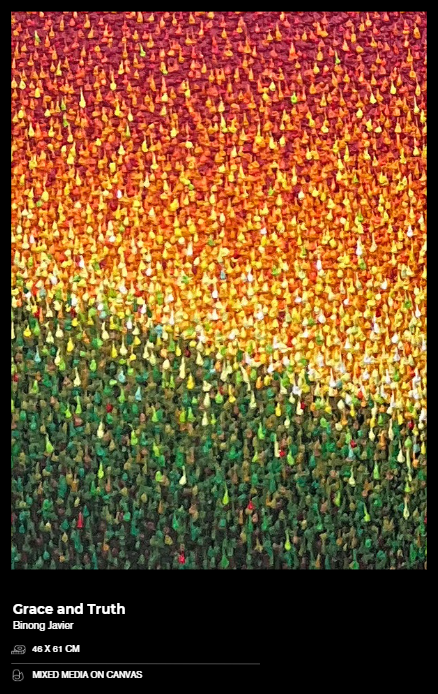
Presented by the Bastedor Art Project in partnership with sige!, this curated selection of artworks highlights the diversity and vitality of contemporary Philippine art. Featuring works in painting, sculpture, mixed media, and multidisciplinary practices, the collection reflects a range of artistic perspectives and explores themes of identity, culture, memory, nature, sustainability, and the human experience. Together, these works offer audiences an opportunity to engage with the richness and evolving landscape of Filipino contemporary art while fostering connections between artists in the Philippines and Filipino communities abroad.
Norlie Meimban
Astrid Castillo‑Almario
Addie Cukingnan
Arnel Garcia
Binong Javier
Ram Mallari Jr.